Perfume Bottle Hand Drawn Illustration Review
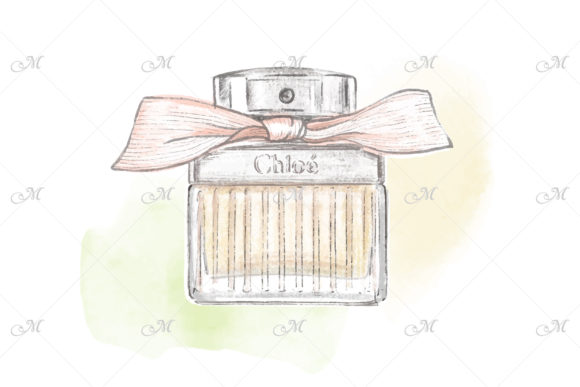
As a designer who has spent years translating digital files into tangible thread, I approach every new asset with a critical eye. When I first opened the Perfume Bottle Hand Drawn Illustration, my immediate reaction was one of curiosity mixed with caution. In the world of machine embroidery, hand-drawn styles are a double-edged sword; they offer a unique, artistic charm that mass-produced clip art lacks, but they often struggle with stitch definition if not converted correctly. This specific design aims to capture the whimsical elegance of a classic perfume bottle through loose, sketch-like lines, and it is essential to understand how that aesthetic translates when stitched onto fabric.
The Aesthetic Appeal and First Impressions
The visual personality of this illustration is undeniably charming. It evokes a sense of nostalgia and boutique luxury without feeling stiff or overly corporate. The lines are fluid, suggesting movement and a human touch, which makes it stand out against the rigid geometry often found in standard machine embroidery design libraries. For an Etsy seller or a small shop owner looking to differentiate their brand, this kind of Illustrations category asset can be a game-changer. It suggests a story rather than just a logo. However, the success of this project hinges entirely on execution. The delicate nature of the drawing means that if the stitch density is too high, the "hand-drawn" feel will vanish, replaced by a muddy block of thread. If the density is too low, the image may lack structural integrity on the finished product.
Real-World Application: The Custom Tote Bag Scenario
To truly evaluate this file, I imagined a specific use case: creating a line of premium canvas tote bags for a local artisan market. Imagine a natural, unbleached cotton tote where the Perfume Bottle Hand Drawn Illustration is embroidered in the center using soft pastel thread colors like dusty rose, sage green, and cream. The contrast between the rough texture of the canvas and the delicate, sketched lines of the bottle would create a sophisticated, tactile experience for the customer. This is the sweet spot for this design. On a heavy, textured fabric like canvas or denim, the slight irregularities of the stitching actually enhance the hand-drawn illusion, making the design look intentionally organic rather than imperfect.
This scenario also highlights the potential for custom apparel. Picture a linen apron for a bridal shower gift or a high-end kitchen towel set. The motif fits perfectly into home decor and lifestyle branding. Unlike a dense, realistic photo-realistic design, this illustration allows the fabric's weave to show through in the negative spaces, reducing the overall stiffness of the final embroidery. This is crucial for items like aprons or pillow covers, where customers expect the fabric to remain pliable and comfortable.
Navigating Technical Challenges and Fabric Choices
While the potential is high, there are significant areas where this design requires careful handling. Because the lines are thin and sketchy, this is not a candidate for small hoop sizes or stretchy fabrics. On a knit t-shirt or a baby onesie, the tension required to hold the shape of the bottle could cause puckering, distorting the delicate curves of the neck and cap. Furthermore, dark fabrics present a challenge. Without a proper underlay or stabilizer, the light-colored threads might sink into the fibers, losing the crispness needed to define the bottle's silhouette.
For those considering this as an embroidered patch, the results could be stunning, provided the backing is sturdy enough to support the open-work style of the drawing. However, avoid using this on curved surfaces like baseball caps unless you are extremely confident in your hooping technique. The complex angles of a cap can distort the vertical lines of the bottle, making the illustration look lopsided. Additionally, products that require frequent washing, such as tea towels or gym wear, should be approached with caution. Delicate running stitches or fine satin edges common in hand-drawn conversions can fray over time if the thread colors and stitch types are not optimized for durability.
Strategic Considerations for Small Business Owners
For the creative entrepreneur or digital product seller, the value of the Perfume Bottle Hand Drawn Illustration lies in its ability to elevate perceived product value. A simple sweatshirt becomes a statement piece when adorned with a well-executed, artistic design. It signals to the buyer that attention to detail matters. However, before listing this as a commercial embroidery asset, you must verify the licensing terms. Ensure you have the right to sell finished goods containing this design. If you are selling the digital embroidery file itself, check if redistribution is permitted.
Visual appeal directly correlates to customer trust. A poorly stitched design looks amateurish and can damage your reputation as a maker. To maintain professionalism, always test the design on scrap fabric first. Check the thread color contrast against your intended material. Does the bottle pop, or does it blend in? Review the stitch density to ensure no gaps appear in the fill areas. Confirm that the hoop size accommodates the full width of the bottle without cutting off the stopper or the base. Inspect small details, such as the label on the bottle, to ensure they remain legible after stitching.
Practical Designer Notes for Success
If you decide to move forward with this project, treat it as a serious design challenge rather than a quick download-and-stitch job. Here are my practical notes for ensuring a successful outcome:
- Test on Scrap Fabric: Never skip this step. Stitch a sample on the exact fabric you plan to use to gauge tension and stability.
- Check Thread Color Contrast: The sketchy lines need enough contrast to be visible. Avoid low-contrast combinations on textured backgrounds.
- Review Stitch Density: Adjust the settings if possible. You want the design to breathe, not become a solid wall of thread.
- Confirm Hoop Size: Ensure your machine's hoop can accommodate the design without distortion.
- Inspect Small Details: Zoom in on the preview to see if tiny elements, like the cap knot, will stitch cleanly.
- Test in Black and White Mockups: Visualize the design in grayscale to ensure the tonal values work before committing to expensive thread.
- Compare Light and Dark Backgrounds: Determine if the design needs a white underlay for dark fabrics to prevent shadowing.
- Use Proper Stabilizer: For delicate designs, a cutaway or tear-away stabilizer is non-negotiable to prevent fabric distortion.
- Verify Licensing: Double-check whether the design is for personal use only or if it includes commercial rights for selling finished items.
Final Verdict on Commercial Viability
The Perfume Bottle Hand Drawn Illustration is a powerful tool for designers who understand the nuances of textile art. It is not a "one-size-fits-all" solution but rather a specialized asset for projects that demand character and elegance. When applied to the right medium—such as a linen pillow cover, a high-quality tote bag, or a personalized holiday gift—it can transform a standard item into a sought-after handmade product. However, it demands respect for the technical limitations of embroidery. By carefully managing fabric choices, stabilizers, and stitch settings, you can harness the charm of this illustration to create professional, engaging, and beautiful finished products that resonate with your audience.