Hand Drawn Deer Png Clip Art Review
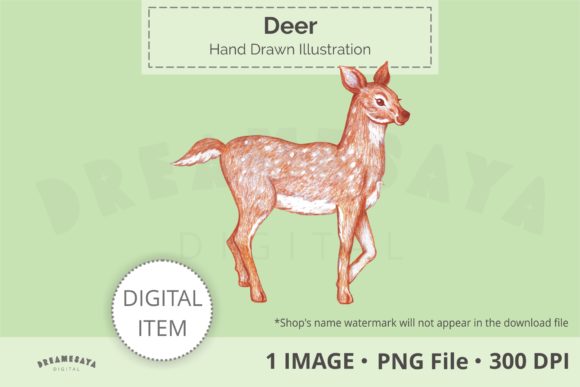
As a designer who has spent years translating digital art into tangible thread, I approach every new asset with a mix of excitement and skepticism. When I first opened the file for Hand Drawn Deer Png Clip Art, my immediate reaction was to look past the pixel perfection on the screen and visualize how it would behave under the needle. This piece sits firmly within the Illustrations category, but its true value lies in how well it transitions from a flat image to a textured, three-dimensional embroidery project. The aesthetic is unmistakably whimsical, capturing that raw, organic feel of a pencil sketch or watercolor wash. It does not scream "corporate logo" or "bold graphic tee." Instead, it whispers "cozy cabin," "nursery wall hanging," or "artisanal boutique gift."
The First Stitch: Visual Personality and Mood
The charm of Hand Drawn Deer Png Clip Art comes from its irregular lines and soft edges. In the world of machine embroidery, clean vector lines are easy to digitize, but hand-drawn styles present a unique challenge. They require a delicate touch to avoid looking stiff or overly mechanical. The mood this design creates is warm and nostalgic. It feels like something you would find in a storybook or on a handmade greeting card. For an Etsy seller or a small shop owner, this visual personality is a goldmine. It signals authenticity. Customers buying personalized gifts or handmade products are often looking for that imperfect, human touch that mass-produced items lack. This deer illustration delivers exactly that vibe.
However, the translation from PNG to thread is where the real work begins. The sketchy lines suggest a need for varied stitch types. A standard fill stitch might flatten the character too much, losing the "sketch" quality. To preserve the artistic intent, I would lean heavily into using a combination of running stitch for the finer details and a loose fill stitch for larger areas. Perhaps even a subtle satin stitch border could define the shape without making it look like a plastic badge. The key is maintaining the illusion of a drawing while ensuring the structural integrity of the finished product.
Real-World Application: From Screen to Fabric
Let's talk about a specific scenario. Imagine you are preparing a custom embroidered tote bag for a local craft fair. You want the item to stand out as a premium small shop product. You load the Hand Drawn Deer Png Clip Art into your software. On a sturdy cotton canvas tote, this design shines. The texture of the canvas mimics the grain of paper, enhancing the hand-drawn effect. The deer becomes a focal point that draws the eye immediately. It feels curated and thoughtful.
Now, consider a different application: a baby embroidery project, perhaps a onesie or a blanket. The gentle nature of the deer makes it perfect for nursery decor. Parents love nature themes, and the soft lines of this clip art feel safe and comforting for a child's room. However, when moving to stretchy fabrics like those used in baby clothes, you must be vigilant. The intricate details of the antlers and legs can distort if the fabric stretches during stitching. Using a high-quality stabilizer is non-negotiable here. Without it, the machine embroidery design could pucker, ruining the delicate aesthetic.
I also see immense potential for holiday embroidery. A deer is a classic motif for winter collections. Placing this design on a felt embroidered patch that customers can iron onto their jackets or denim vests would be a best-seller. The patch format allows you to control the background color perfectly, ensuring the deer pops regardless of the garment underneath. For commercial embroidery projects, such as branding for a yoga studio or a nature retreat, this asset offers a softer alternative to bold logos. It communicates values of mindfulness and connection to nature without being aggressive.
Navigating Challenges: Where Caution is Needed
Despite its appeal, Hand Drawn Deer Png Clip Art is not a one-size-fits-all solution. There are specific scenarios where this design requires careful handling or should be avoided entirely. First, consider hoop size. If the original file contains fine, sketchy details, shrinking it down to fit a 4x4 hoop will likely result in lost definition. The thin lines may disappear or merge into blobs of thread. Always check the minimum recommended size before committing to a tiny cap or a cuff on a shirt.
Fabric choice is another critical factor. On dark fabrics, the contrast is essential. If the design relies on light grey or pastel tones typical of sketches, they will vanish against black or navy backgrounds unless you use a dense underlay or a lighter top layer. Similarly, on highly textured fabrics like heavy fleece or thick wool, the fine details of the deer's legs and face might get lost in the pile of the material. This is less suitable for a chunky knit sweater than it is for a smooth linen apron or a crisp pillow cover.
Furthermore, curved surfaces like baseball caps demand a robust design. The stretching of the fabric over the cap curve can warp the delicate lines of a hand-drawn style. While possible, it requires advanced digitizing skills to compensate for the distortion. For a beginner or a quick turnaround project, I would advise sticking to flat surfaces like tote bags, aprons, or kitchen towels where the fabric remains taut and flat.
Designer Notes: Ensuring Professional Results
If you decide to move forward with this digital embroidery file, follow these practical steps to ensure a professional outcome. First, always test the design on scrap fabric that matches your final project material. This allows you to adjust the stitch density and tension before cutting into expensive inventory. Check the thread colors carefully; sometimes the digital preview looks great, but the physical thread has a sheen that alters the matte look of a sketch.
Create a printable mockup of the design on your intended product to visualize scale and placement. Does the deer look balanced on the chest of a sweatshirt? Is it too large for a baby bib? These decisions impact the perceived value of your custom apparel. Additionally, confirm the licensing terms. As a craft business owner, you must know if you can sell the finished goods or if the license restricts you to personal use only. Never assume; verify the rights associated with the design assets you purchase.
Finally, think about the customer experience. A well-executed version of Hand Drawn Deer Png Clip Art elevates a simple item into a cherished keepsake. It shows attention to detail and artistic flair. Whether you are selling on Etsy, at a craft fair, or through your own website, the quality of your embroidery reflects directly on your brand. By choosing designs that align with your aesthetic and understanding the technical requirements of the medium, you build trust with your buyers. This deer illustration is a versatile tool, but like any tool, its success depends on the skill and care of the maker wielding it.