Tea Time with Herbal Tea for Health: A Designer's Review
As someone who has spent years navigating the intersection of digital art and physical stitching, I approach every new machine embroidery design with a critical eye. It is not enough for an image to look good on a screen; it must survive the translation into thread, stabilizer, and fabric. Today, I am evaluating Tea Time with Herbal Tea for Health, an illustration that promises a cozy, wellness-focused aesthetic. Before I commit this embroidery file to a client project or add it to my own shop inventory, I need to understand how it behaves in the real world.
The First Impression: Mood and Visual Personality
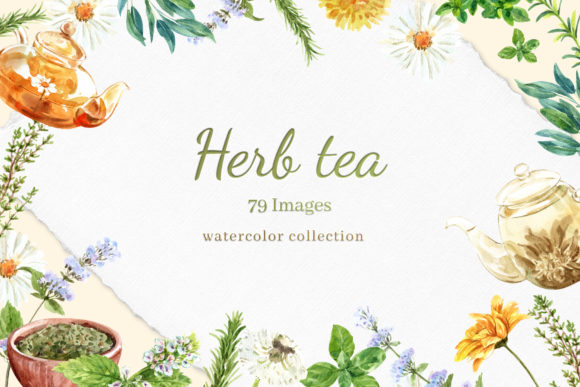
At first glance, Tea Time with Herbal Tea for Health exudes a sense of calm. The composition leans heavily into the "Illustrations" category, suggesting soft lines and organic shapes rather than rigid geometric patterns. This mood is perfect for the current market trend where customers crave handmade items that feel personal and nurturing. When I visualize this as a tote bag design or a kitchen towel motif, the imagery of herbal tea immediately evokes warmth and self-care. However, the success of such a design relies entirely on execution. Does the layout hold up when converted from pixels to stitches? The visual personality here is delicate, which means the stitch density will be a make-or-break factor.
Real-World Application: From Screen to Fabric
Let’s talk about a specific scenario. Imagine you are preparing a custom order for a local boutique that specializes in wellness gifts. They want a line of sweatshirt embroidery featuring health-conscious themes. You load Tea Time with Herbal Tea for Health into your software. Here is where the practical judgment comes in. On a thick cotton fleece sweatshirt, the softer edges of the illustration should translate beautifully into a satin stitch border with a fill stitch center. The theme fits perfectly with the target demographic looking for a personalized gift that feels thoughtful rather than mass-produced.
However, if you were attempting this on a thin custom apparel item like a lightweight t-shirt, the story changes. The density required to render the details of the tea leaves and steam could cause puckering. In my experience, designs labeled as Illustrations often have intricate areas that demand a high-quality stabilizer. Without proper backing, the fabric might distort, ruining the professional finish of the finished product. For an Etsy seller or small shop owner, maintaining that crisp presentation is vital for customer trust and repeat business.
Best Use Cases for This Design
Where does Tea Time with Herbal Tea for Health truly shine? I believe it is ideally suited for home decor and lifestyle accessories. Think pillow covers for a nursery or a guest room, where the relaxed vibe complements the space. It also works exceptionally well for kitchen towels or aprons, turning a utilitarian item into a conversation starter. If you are creating an embroidered patch, the illustrative nature allows for a fun, collectible feel that appeals to hobbyists and crafters alike. Even for holiday embroidery projects, such as wrapping a winter-themed blanket or creating a seasonal gift tag, the health and wellness angle adds a unique twist to traditional seasonal motifs.
Navigating Potential Pitfalls
Every designer knows that no single digital embroidery file works universally without adjustment. There are specific scenarios where Tea Time with Herbal Tea for Health requires extra caution. First, consider the hoop size. If the design is large but you attempt to fit it into a smaller hoop, you risk distorting the proportions of the teacup or herbs. Always check the dimensions before hooping.
Secondly, be wary of textured fabrics. Stitching a detailed illustration onto a heavy canvas or a napped fabric can obscure fine details. The running stitch elements used for outlines might get lost in the weave. Similarly, on dark fabrics, the contrast of light-colored threads used for the tea steam or cup highlights needs to be tested. A printable mockup in black and white can help you visualize if the value contrast is sufficient before you cut a single thread.
Another area of concern is stretchy material. If you plan to use this design on a cap or a fitted hat, the curved surface can warp the straight lines of the illustration. The tension required to embroider on a curve might pull the fill stitch areas unevenly. For commercial embroidery projects involving large quantities, consistency is key. If the design shifts slightly on every garment due to fabric stretch, your brand consistency suffers.
Designer Notes: Ensuring Professional Results
To get the most out of Tea Time with Herbal Tea for Health, follow these practical steps. First, always test the design on scrap fabric that matches your final project material. This allows you to adjust the thread colors and verify that the stitch density isn't too tight or too loose. Check the small details closely; sometimes, tiny leaves or text within an illustration become illegible once stitched. If the design includes any lettering, ensure it remains readable at the intended scale.
Use the appropriate stabilizer for your fabric type. For delicate items like baby embroidery, a tear-away stabilizer might be best, while woven items may require a cut-away for durability. Inspect the finished sample under bright light to see if there are any gaps in the coverage or unwanted show-through. Finally, confirm the licensing terms. As a creative entrepreneur, you must know if you can sell the handmade product or the digital product itself. Selling items made with a design without proper commercial rights can jeopardize your entire craft business.
Final Verdict on Value and Appeal
Tea Time with Herbal Tea for Health offers a strong visual appeal for those targeting the wellness and home decor markets. Its ability to evoke a specific mood makes it a valuable asset for design assets collections focused on relaxation and self-care. When executed correctly, it elevates a simple small shop product into a premium offering. The design encourages buyer engagement by telling a story through the needlework. However, its success depends on the maker's attention to detail regarding fabric choice, stabilization, and testing.
If you are an embroidery project enthusiast or a professional decorator, this design is worth exploring, provided you take the time to adapt it to your specific materials. By treating it with the respect a complex illustration deserves, you can create pieces that stand out in a crowded marketplace. Whether for a wedding gift, a holiday present, or a staple item in your online store, the potential for a beautiful, meaningful result is there. Just remember: the magic happens not just in the file, but in the hands of the maker.